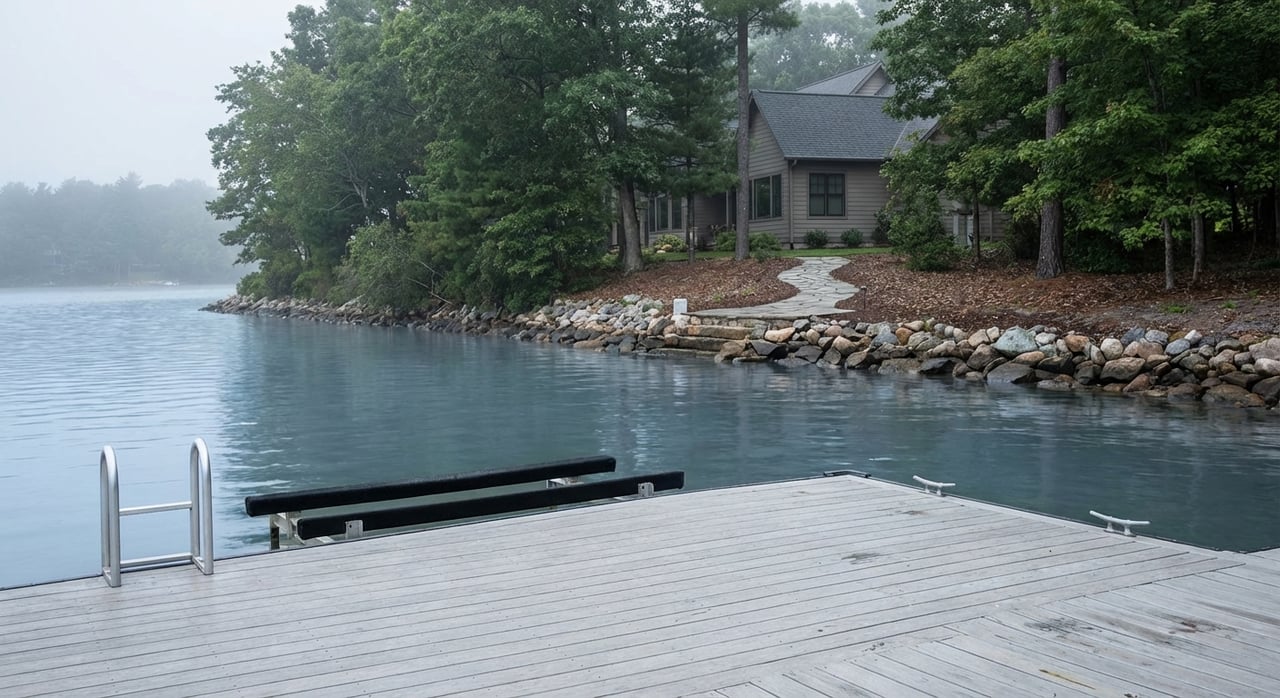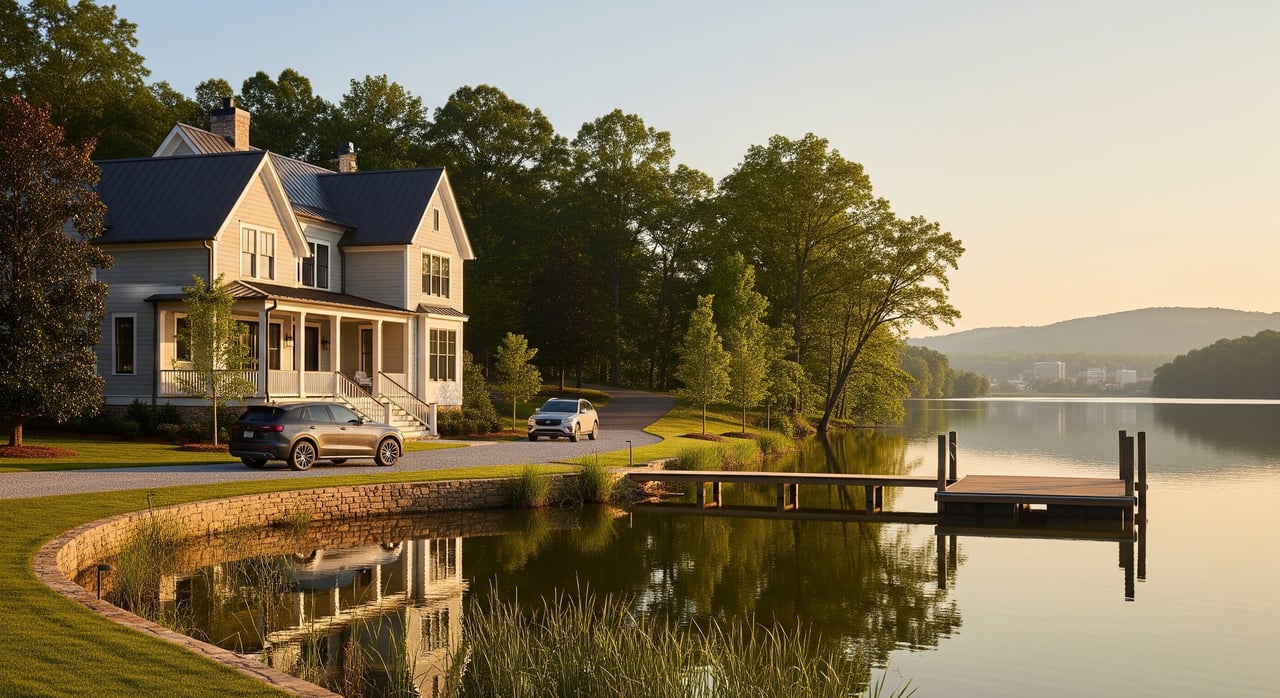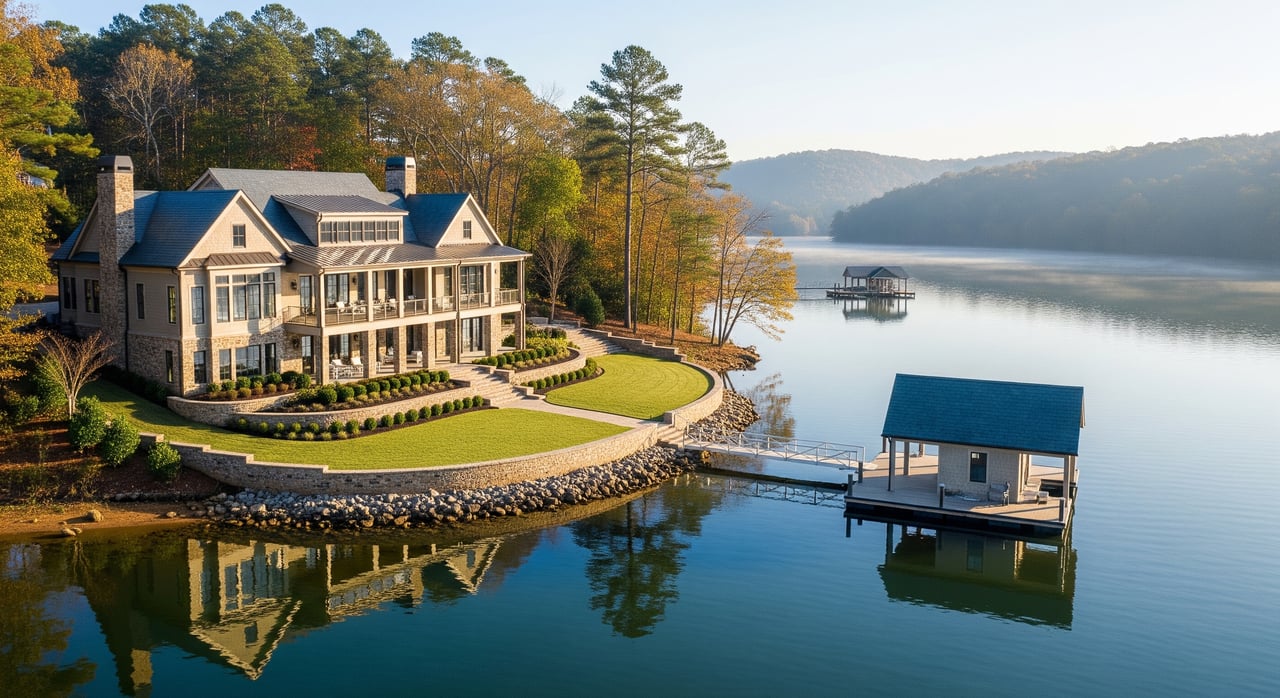
Thinking about a lake home near Greenville and seeing phrases like dockable, deeded access, riparian buffer, or Corps line? These terms can shape what you can build, how you use the shoreline, and even what you truly own. You want clear answers before you commit so your lake lifestyle matches your vision. In this guide, you’ll learn what each term means, how it works on Lake Hartwell and Lake Keowee, and exactly what to verify during due diligence. Let’s dive in.
Hartwell vs. Keowee: who manages what
Lake Hartwell and Lake Keowee are managed by different authorities, and that affects permits, shoreline rules, and what a listing’s lake access really means.
- Lake Hartwell: Managed by the U.S. Army Corps of Engineers under a Shoreline Management Plan. The Corps controls where docks and shoreline structures are allowed and sets the project boundary, often noted as the Corps line on plats and surveys.
- Lake Keowee: Managed by Duke Energy’s Shoreline Management Program. Duke sets guidelines for private and community docks, vegetation, and shore-use approvals.
Why it matters to you: Permit processes, allowed dock types, setbacks, buffer rules, and fees can differ. Your property rights and how enforcement works also vary by lake, so you should treat Hartwell and Keowee as two distinct permitting worlds.
Core lake access terms, explained
Dockable
Dockable means the lot appears suitable for a private dock and the lake’s manager would likely issue a dock permit. There are two things to confirm:
- Physical feasibility: Adequate water depth at normal pool levels, safe bottom type, and clear access to navigable water.
- Permission: The managing authority must allow a dock at that location.
On Hartwell, the Corps reviews dock requests under its plan and within the project boundary. On Keowee, Duke Energy reviews permits, allowed dock types, and spacing rules. Even if a listing says dockable, you still need to check setbacks, proximity to utilities or facilities, seasonal water levels, and any rules about shared docks.
Deeded access
Deeded access can take different forms and affects how you actually reach and use the lake.
- Riparian, contiguous ownership: Your lot touches the shoreline, and you have water-use rights, subject to permits. This setup typically offers the most direct control for private docks.
- Deeded non-contiguous access: You do not own to the shoreline, but you have a recorded easement or separate parcel that grants access. This might be a community access strip, a shared ramp, or a dock with assigned slips.
What to watch:
- The exact language in the deed or easement drives what you can do. It may define exclusivity, parking, maintenance, and whether a private slip exists.
- Deeded access can be as robust as a guaranteed dock slip or as limited as a narrow shared path several streets away. Always pinpoint the location and terms.
Riparian buffer
A riparian buffer is a protected zone of shoreline vegetation that helps with water quality and erosion control. Buffer rules set what you can clear, plant, or build near the water.
- On Hartwell or Keowee, buffer limits and vegetation rules come from the manager’s shoreline program, state rules, and sometimes county ordinances.
- Removing trees, grading, adding hardscape, or building steps to the water often requires permission. Buffers can influence where a dock, boathouse, or path can go.
Plan for maintenance and compliance. Penalties for unauthorized clearing vary by managing authority.
Corps line
The Corps line is the project boundary used on reservoirs managed by the U.S. Army Corps of Engineers, such as Lake Hartwell. It separates the Corps’ project lands and waters from private property.
- Below this boundary, the Corps controls shoreline uses. Your deed may stop at or before the Corps line, even if your yard visually slopes to the water.
- The ordinary high water mark is a related physical indicator of typical high-water reach and can be relevant to rights and permits.
If a listing mentions the Corps line, verify where it sits on the survey and how it affects any dock, path, or shoreline changes you plan to make.
How to verify before you write an offer
You can avoid surprises by collecting the right documents, calling the right authorities, and confirming key details early.
Request these documents
- Recorded deed and chain of title, including any reserved rights.
- Current survey and plat showing property lines, the Corps or project boundary if applicable, and any recorded access easements.
- Easements, covenants, or agreements related to lake access, docks, or shared facilities.
- Existing dock permit and any correspondence with the Corps or Duke Energy.
- HOA or POA documents, rules for dock or slip allocation, and maintenance obligations.
- Recent tax info and FEMA flood map documentation.
Contact these parties
- Real estate attorney or title company: Confirm parcel boundaries, easements, and title exceptions.
- Licensed surveyor: Verify the Corps line or project boundary and match the physical improvements to the survey.
- U.S. Army Corps of Engineers, Savannah District for Hartwell: Confirm dock permit status and shoreline rules.
- Duke Energy Shoreline Management for Keowee: Confirm dock eligibility, dock type, spacing, and buffer limits.
- County planning and building departments: Check setbacks, septic and erosion rules, and required permits.
- HOA or POA: Clarify shared dock rules, fees, and slip assignments.
- Local marina or dock builder: Get a site-specific read on depth, bottom type, access, and ballpark costs.
Confirm these specifics
- Exact meaning of deeded access: Is it contiguous ownership, a recorded easement, or only a right to use a community area? Where is it located on a map?
- Dock permit status: Active, expired, transferable, or void. Who maintains the dock and holds insurance?
- Buffer and vegetation rules: What you can do as routine maintenance versus what needs prior approval.
- Project boundary placement: Does your deed reach the shoreline, or does it stop at the Corps line or a project easement?
- Costs and fees: Permit fees, annual charges, HOA assessments for shared facilities, and insurance implications.
- Flood zone: Whether flood insurance is required and how it affects your total cost of ownership.
How access type affects price and lifestyle
Market value impacts
- Waterfront with contiguous ownership and a private dock option usually commands a premium over properties with only non-contiguous deeded access or views without direct access.
- A deeded dock or guaranteed slip is typically more valuable than a generic deeded access right. The exact premium varies by lake, neighborhood, lot specs, and demand.
- If a property cannot have a dock or has a narrow or distant easement, you may see softer buyer interest and a lower price relative to comparable dockable properties.
Ongoing costs and maintenance
- Docks: Expect site-specific build costs plus time and expense for permits. Federal processes on Hartwell and utility approvals on Keowee can add timelines.
- Shared facilities: HOAs or groups of owners often share maintenance and capital costs for community docks, ramps, or access roads.
- Vegetation and shoreline stabilization: You may need professional help and ongoing compliance with buffer rules.
- Insurance: Lakeside homes can carry higher premiums. Docks and boats may need separate coverage.
Lifestyle fit
- Convenience: Private, on-lot docks are the most convenient. Deeded access down the road or shared facilities may involve parking and scheduling limits.
- Boat type: Dock rules and water depth can limit boat size or style. Know your plans for wake boats, fishing boats, or personal watercraft.
- Seasonal rhythms: Hartwell’s large-reservoir dynamics can mean different water level changes and public use patterns than Keowee. That affects boating, fishing, and ease of docking at certain times of year.
Listing language decoded and red flags
Typical phrases and what they may mean
- Waterfront: The property touches the lake. Verify the deed, the project boundary, and whether a dock is permitted.
- Dockable lot: Likely suitable for a dock, but permits from the Corps or Duke Energy still apply.
- Deeded access: Could be contiguous ownership or a recorded easement to a shared parcel. Clarify the exact form and location.
- Community or common dock: Shared facility. Check allocation rules, maintenance fees, and liability.
- Corps line on plat: The Corps’ project boundary affects shoreline uses and ownership position.
- Riparian rights: Implies water-use rights for contiguous owners, but practical dock placement still depends on agency rules.
Red flags that need follow-up
- Water access is advertised, but there is no recorded deeded right or easement.
- A dock exists with no active or transferable permit.
- HOA documents are vague about slip assignment, cost sharing, or liability.
- The plat shows a Corps or project easement where you plan a dock or boathouse.
- Seller claims riparian rights, but the lot type or manager rules limit docks.
Smart questions to ask early
- Is the lot contiguous to the lake? If not, what type of recorded access exists, and where is it located?
- Is there a current dock permit? Can you provide it and confirm transferability?
- What recorded easements, covenants, or manager rules affect shoreline work or docks?
- What are the HOA or community fees for dock use or maintenance? How are slips assigned?
- Has the property been cited for shoreline clearing or unpermitted work?
- Which authority manages this shoreline, and when was the last contact about this parcel?
A Greenville buyer game plan
- Define your must-haves: Private dock, guaranteed slip, or view with community access. Rank your priorities for convenience, privacy, and boat type.
- Focus by lake: Decide whether Hartwell’s Corps-managed system or Keowee’s Duke-managed program better fits your plans and timeline.
- Front-load due diligence: Request permits, plats, and easements with your initial offer. Engage a surveyor and shoreline manager contact early.
- Price with precision: Weigh the access type and permit status when comparing comps. A true dockable, contiguous lot is not the same as a view lot with a distant easement.
- Plan budgets: Include dock build or renovation, annual fees, HOA assessments, vegetation management, and insurance.
When you understand the terms and the manager in charge, you can shop with confidence and avoid costly surprises. If you want a property that matches your boating and lifestyle goals, the right checks up front will save time and stress later.
Ready to find the right fit and verify the fine print with a local team that lives the lake lifestyle every day? Connect with nora hooper for boutique, hands-on guidance tailored to Hartwell and Keowee.
FAQs
What does “dockable” mean on Lake Hartwell?
- It suggests the shoreline and water depth are suitable and the U.S. Army Corps of Engineers would likely permit a private dock, but you must confirm physical feasibility and permit approval.
How is Duke Energy’s role on Keowee different from the Corps on Hartwell?
- Duke Energy manages Keowee’s shoreline under its own program, while the Corps manages Hartwell under a federal plan, so permit processes, allowed dock types, and buffer rules can differ.
What is the Corps line on a Hartwell property survey?
- It is the project boundary for the Corps of Engineers that separates project lands and waters from private property and controls shoreline use below that line.
What does “deeded access” near Greenville’s lakes usually include?
- It can mean contiguous waterfront ownership or a recorded easement to a separate access parcel or community dock, and the exact deed or easement language determines rights and limits.
How do I confirm a dock permit can transfer to me?
- Request the current permit and written manager guidance, then contact the applicable shoreline authority to verify status, transferability, and any deadlines or conditions.
Will a riparian buffer limit my landscaping plans?
- Likely yes; vegetation clearing, grading, and hardscaping near the shoreline are often regulated and may require approvals, with different rules depending on the lake’s manager.