Selling a luxury home in Anderson rarely happens on a simple, one-size-fits-all schedule. If you are preparing to sell a lakefront property, an estate home, or a high-value residence, timing often depends on much more than putting a sign in the yard. From prep and disclosures to media, showings, contract terms, and attorney-supervised closing, each stage can affect your momentum and your bottom line. This guide walks you through what to expect so you can plan with more confidence. Let’s dive in.
Start With a Realistic Timeline
A luxury home sale in Anderson usually moves through four main phases: consultation and pricing, home preparation, market launch, and contract to close. The prep stage can take anywhere from a few days to a few weeks, depending on the home’s condition, the scope of updates, and how much documentation needs to be gathered.
Once your home is photo-ready, professional media and MLS launch can happen quickly. After you accept an offer, the closing phase in South Carolina still often takes several weeks or more because inspections, appraisal, title work, attorney supervision, and recording all need to line up.
Phase 1: Pricing and Strategy
Your timeline starts before the listing goes live. One of the biggest seller-side decision points is pricing, especially in the luxury segment where buyer expectations are high and comparable properties may be limited.
A strong pricing and launch strategy helps you avoid losing valuable early momentum. In the first days on market, presentation and first-impression quality matter most, so getting the strategy right at the beginning can shape the entire selling experience.
Phase 2: Prep Your Home for Market
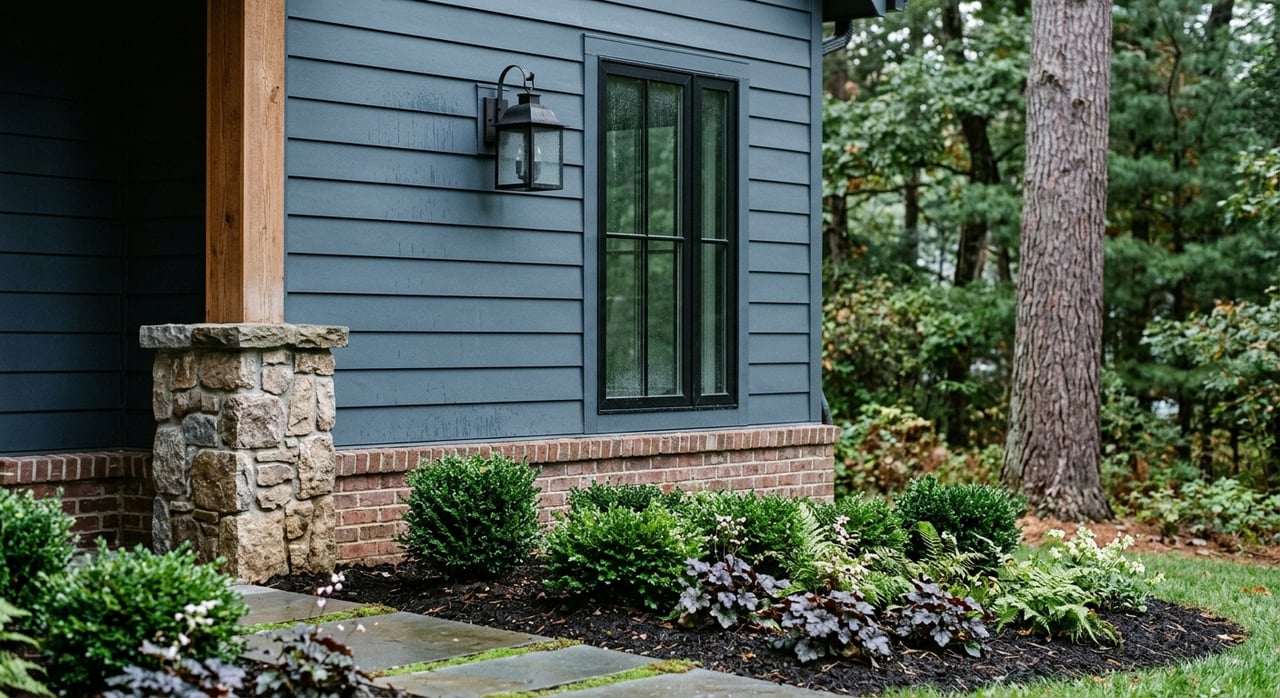
Before photos or showings, your home needs to feel clean, polished, and easy for buyers to experience. The National Association of Realtors recommends decluttering, cleaning, improving curb appeal, locating warranties and manuals, and gathering repair estimates for major items when needed.
For many Anderson luxury sellers, this stage also includes deciding whether to complete repairs before listing. A pre-sale inspection can help surface issues early, which may reduce surprises once a buyer is under contract.
What to Handle Before Listing
- Deep clean the home
- Reduce clutter and simplify rooms
- Tidy outdoor spaces and improve curb appeal
- Gather warranties, manuals, and repair records
- Consider a pre-sale inspection
- Prepare estimates for major repairs if needed
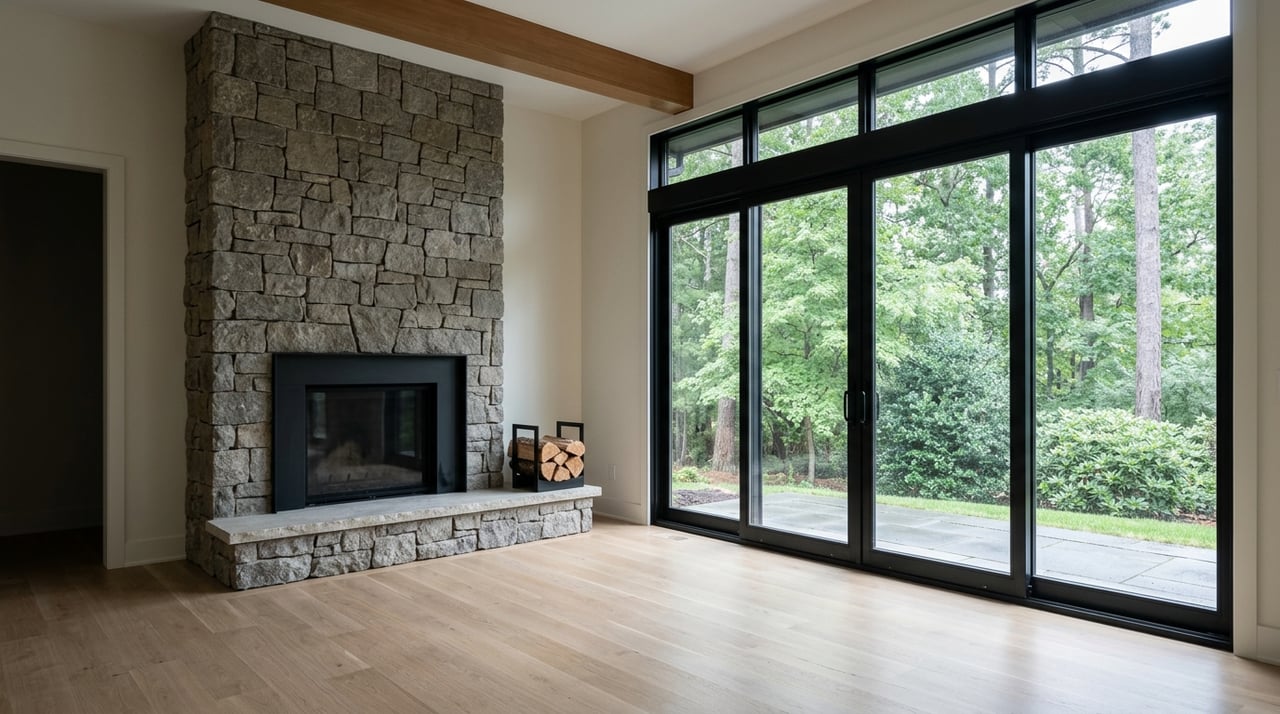
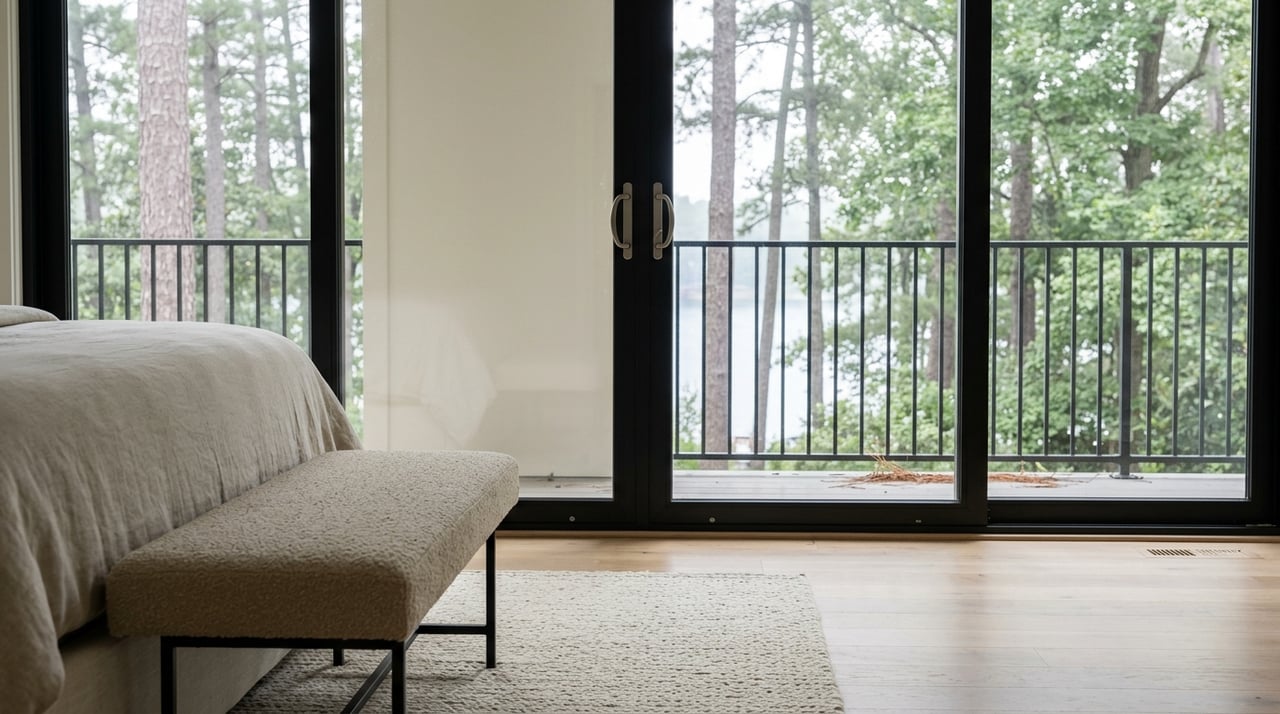
Staging is optional, but it can help buyers picture how the home lives. In luxury and lakefront properties, thoughtful presentation can highlight outdoor living, views, and the flow between interior and exterior spaces.
Phase 3: Get Disclosure Documents Ready Early
In South Carolina, disclosure readiness is not something to leave until the last minute. The Residential Property Condition Disclosure Statement must be delivered to the purchaser before the contract is signed unless the contract says otherwise, and sellers must update it if new information makes an earlier answer inaccurate.
The form is not a warranty, and buyers still have a responsibility to inspect the property. Still, incomplete or late disclosures can create friction at exactly the point when you want a transaction to feel smooth and well-managed.
Why Luxury and Lakefront Homes Need More Prep
For Anderson luxury or lakefront homes, the disclosure package can be more document-heavy. The state form asks about items such as water supply, sewage systems, roof and foundation issues, zoning and covenants, leases or vacation-rental use, HOA governance, and transfer fees.
If the property is in an HOA, the HOA addendum may also require details on dues, restrictions, special assessments, guest or pet rules, and access devices. Gathering these documents before listing can save time later and reduce the chance of delays during negotiations.
Phase 4: Photos, Video, and Launch
Once the home is ready, the media and launch phase can move quickly. Because most buyers begin their search online, high-resolution photography and video are essential parts of a modern marketing plan.
NAR recommends preparing for a photo shoot by cleaning thoroughly, reducing clutter, opening blinds for natural light, and making each room look polished on camera. Fannie Mae notes that a marketing plan commonly includes the MLS, open houses, virtual tours, and flyers.
For a luxury listing, this stage is about more than documentation. It is your home’s debut, and the goal is to create a strong first impression through both presentation and exposure.
Phase 5: The First Days on Market
When your home goes live, flexibility becomes important. Sellers should expect showings at different times and sometimes with little notice, especially during the initial market window when interest is often highest.
During this phase, it helps to keep the house clean, secure valuables, and protect pets. If a listing is not getting traction, Fannie Mae notes that the strategy may need to change, which can include adjustments tied to presentation or pricing.
Early Market Momentum Matters
For Anderson luxury sellers, the first days on market are often the most important for attention and feedback. Buyers notice pricing, condition, media quality, and overall readiness right away.
That means your timeline is not just about speed. It is about making sure the home is truly ready before launch so you do not spend your strongest market window fixing preventable issues.
Phase 6: Offer Review and Contract Terms
Once offers come in, the next timeline shift depends on the strength of the terms. Price matters, but so do inspection timelines, appraisal conditions, and the proposed closing date.
According to NAR, typical contracts include an inspection period, contingencies, and a closing date. Buyers may use inspection and appraisal contingencies to renegotiate or walk away, so unresolved repair issues and valuation gaps are common reasons a transaction slows down.
Key Terms That Can Affect Timing
- Inspection period length
- Repair requests after inspections
- Appraisal contingency
- Financing timeline
- Proposed closing date
- Any disclosure follow-up items
A clean offer with realistic timing can sometimes be more valuable than the highest number on paper. For many sellers, the best contract is the one that balances price with a clear path to closing.
Phase 7: Closing in South Carolina
After you accept an offer, the sale moves into the closing phase. In South Carolina, each phase of a real estate transaction, including preparation of legal instruments, the closing itself, and recording the documents, is treated as the practice of law and must be supervised by a licensed South Carolina attorney.
The closing attorney is responsible for making sure the transaction is properly closed, funds are disbursed correctly, and documents are recorded. This is one reason South Carolina closings can take several weeks or more after contract, even when everything is progressing as planned.
Anderson County Details to Know
For Anderson County closings, the Register of Deeds records, indexes, and maintains the documents that establish ownership. The office asks that recording documents be submitted no later than 4:30 p.m., which can matter when a closing is scheduled late in the day.
There is also a practical year-end timing point for sellers to keep in mind. The Anderson County Treasurer mails real property tax notices on October 1, and payment is due by January 15 of the following year, so timing around fall and winter closings may affect planning conversations.
What Usually Delays a Luxury Sale
Most luxury sales do not slow down because of one dramatic problem. More often, delays come from a handful of decision points that were not addressed early enough.
The biggest seller-side factors are usually pricing, staging and media readiness, disclosure completeness, offer terms, and attorney or recording coordination. When those pieces are organized up front, the sale tends to move with fewer surprises.
Common Friction Points
- Repairs discovered during inspections
- Missing HOA or property documents
- Incomplete disclosures
- Appraisal issues
- Misaligned closing dates
- Late-stage title or recording coordination
How to Build a Smoother Timeline
If you want a more efficient sale, preparation matters more than rushing. The goal is to enter the market with strong pricing, complete disclosures, polished presentation, and a plan for what comes next after showings begin.
For high-value homes in Anderson, that often means taking a concierge-level approach from the start. When your listing strategy, documents, media, and closing coordination work together, you are in a better position to protect both your timeline and your outcome.
If you are thinking about selling a luxury or lakefront home in Anderson, working with a team that understands presentation, timing, and the details behind South Carolina closings can make the process feel much more manageable. To start planning your next move, connect with nora hooper.
FAQs
How long does it usually take to sell a luxury home in Anderson?
- A luxury home sale usually moves through pricing, prep, launch, and contract-to-close stages. Prep may take a few days to a few weeks, and closing after contract often takes several weeks or more in South Carolina.
What disclosures do Anderson sellers need before signing a contract?
- South Carolina sellers generally need to provide the Residential Property Condition Disclosure Statement to the purchaser before the contract is signed unless the contract says otherwise, and the form must be updated if new information changes an earlier answer.
What should Anderson luxury sellers do before listing photography?
- Before photography, sellers should clean thoroughly, reduce clutter, open blinds for natural light, and make rooms look polished on camera. Many also gather documents, handle repairs, and improve curb appeal before media day.
Can an Anderson luxury home sale be delayed after accepting an offer?
- Yes. Common causes include inspection issues, appraisal gaps, incomplete disclosures, missing HOA information, financing timelines, and attorney or recording coordination.
Who handles the closing for a home sale in Anderson, South Carolina?
- In South Carolina, the closing process must be supervised by a licensed South Carolina attorney, including legal instruments, the closing itself, and recording of documents.