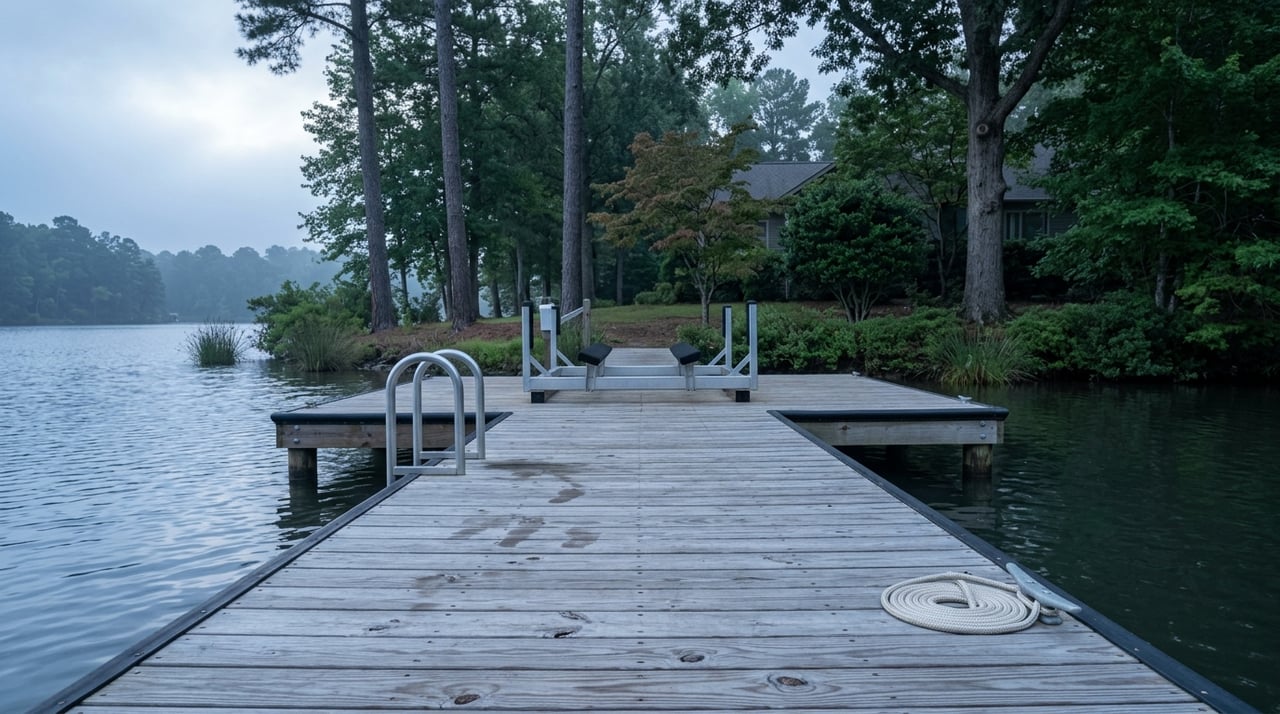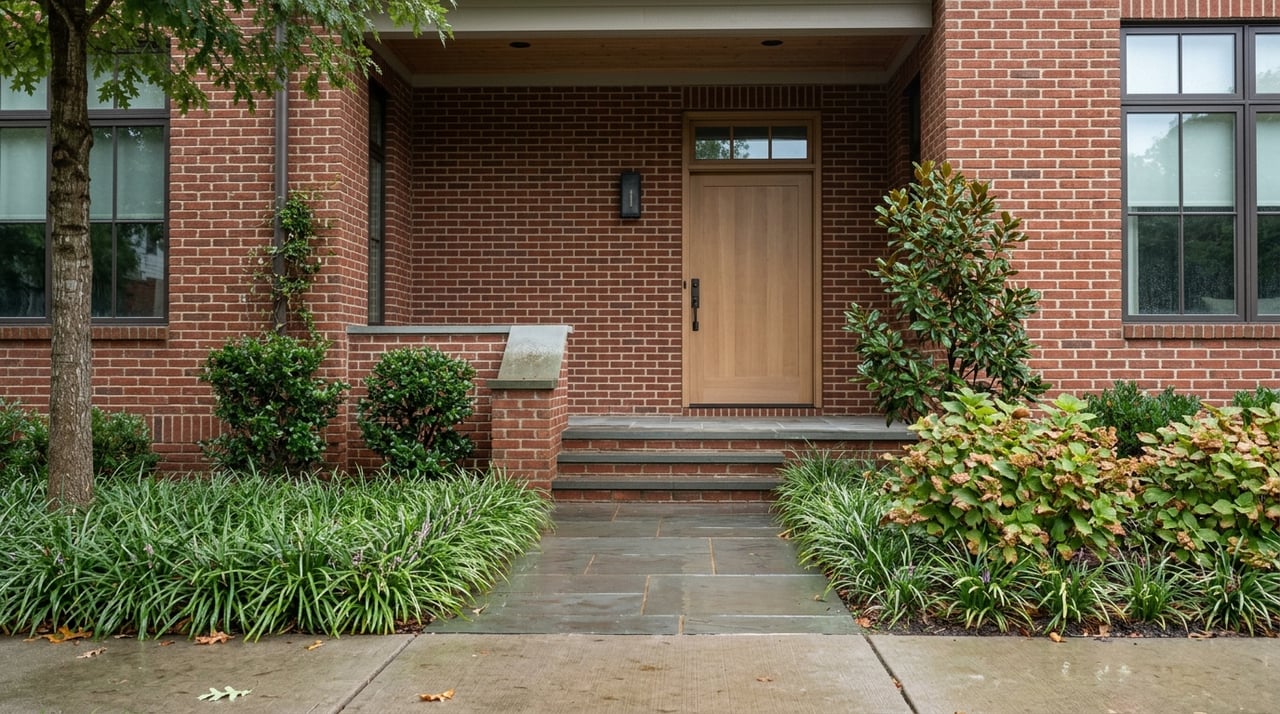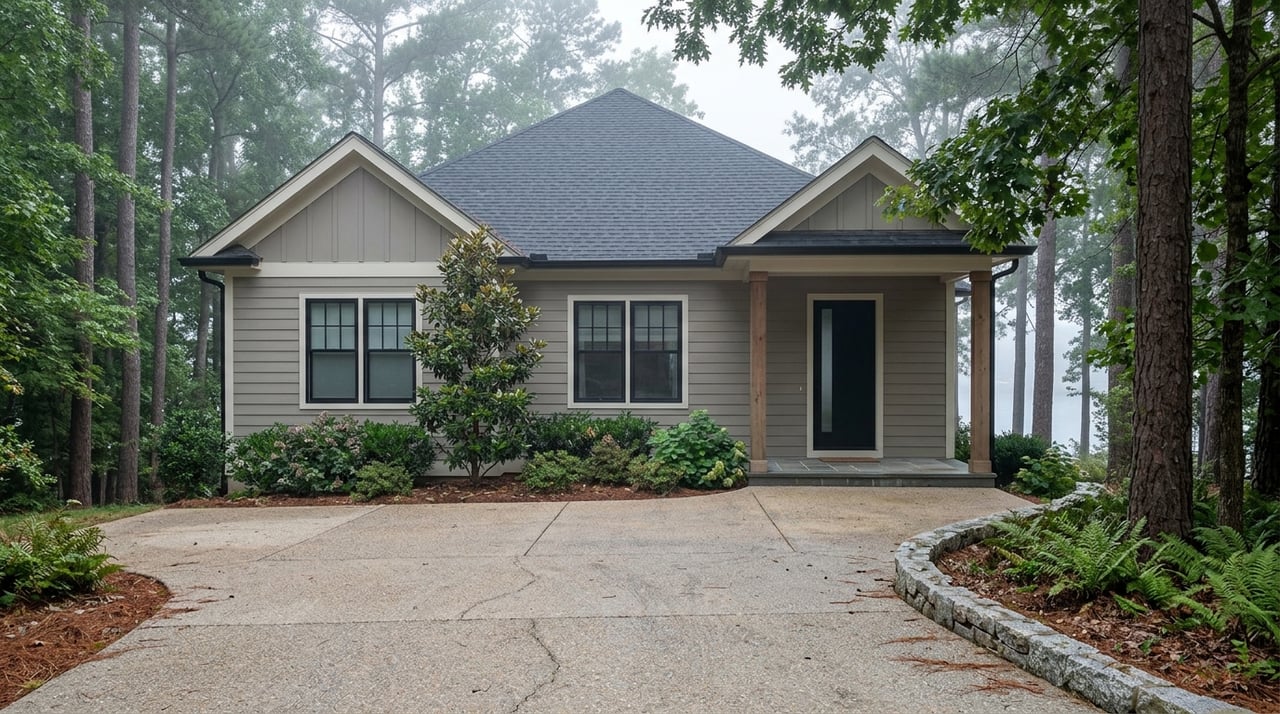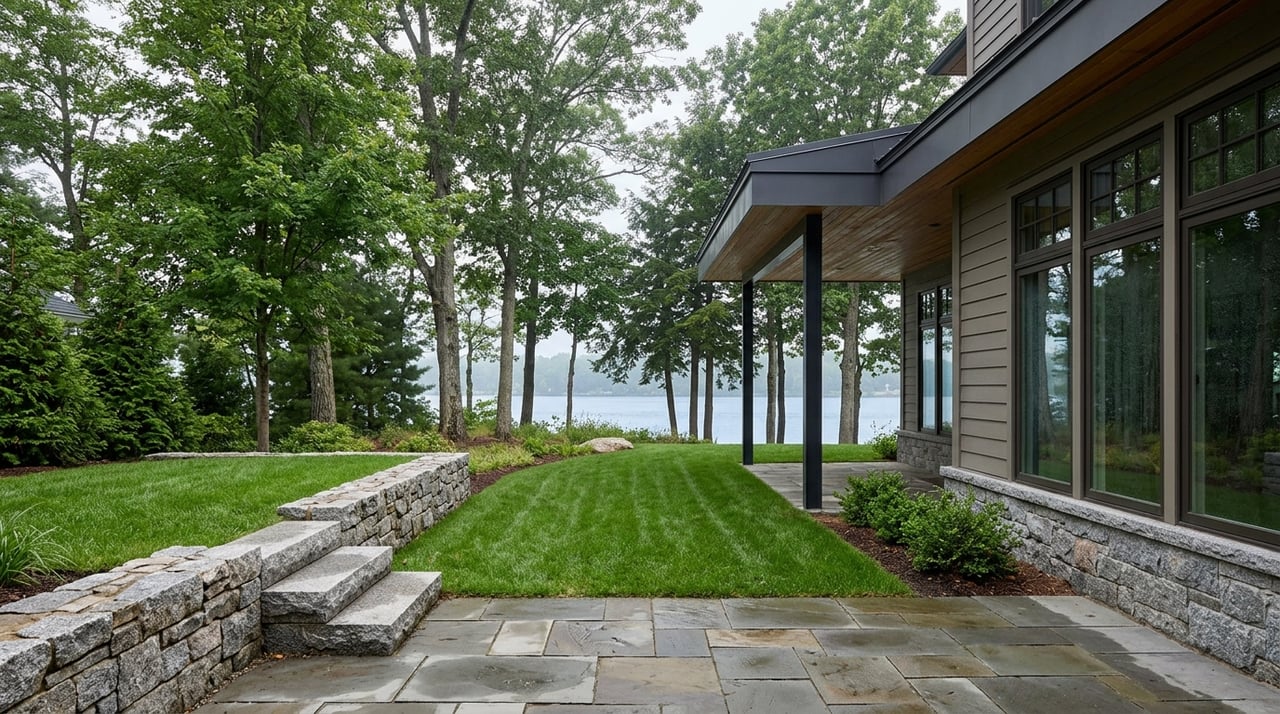
If you have started looking around Lake Keowee, you have probably noticed that “lake neighborhood” can mean very different things in and around Seneca. Some communities center on golf and club amenities, while others focus on quiet shoreline living, shared docks, or low-maintenance townhome ownership. Understanding those differences early can save you time, sharpen your search, and help you find a setting that truly fits your routine. Let’s dive in.
Why neighborhood style matters
In the Seneca area, Lake Keowee is not just a scenic backdrop. It is deeply tied to recreation, infrastructure, and daily life, with boating, fishing, swimming, camping, and picnicking all part of the local lake experience, according to the City of Seneca comprehensive plan.
That same planning context also shows why location matters beyond the water. Seneca serves as a practical access point to the lake and the broader region, with city parks, nearby county parks, and public boat access that can make a difference in how you use the lake day to day.
Seneca Lake Keowee neighborhood types
Around Seneca and greater Lake Keowee, most buyers tend to compare a few broad neighborhood styles. Each one offers a different mix of privacy, amenities, maintenance, and access.
Golf-course communities
Golf-course communities are often the most amenity-rich option. In these neighborhoods, your day-to-day experience may include fairway views, clubhouse dining, pools, wellness spaces, and a more structured HOA or membership environment.
A clear Seneca example is Cross Creek Plantation, a private golf community set on 500 rolling acres with more than 175 homes, 350 homesites, a 15,000-square-foot clubhouse, an 18-hole Pete and P.B. Dye-designed course, and a community pool. Its location also highlights access to downtown Seneca, Clemson, Greenville, and the Oconee Medical Campus.
In the broader Keowee market, club-oriented communities can expand that lifestyle even further. The Cliffs at Keowee Springs includes a Beach Club, pools, a cafe, a bar, a surf shop, and available boat slips, while The Cliffs’ amenity overview also points to golf options designed for a range of skill levels.
Other Cliffs communities show how this style can vary within the same club network. Keowee Falls adds trails, a wellness center, tennis, pickleball, and a Jack Nicklaus course, while Keowee Vineyards combines golf with marina and equestrian amenities.
Best fit for golf-focused buyers
This style often works well if you want:
- A broader amenity package beyond lake access
- A social setting with club-centered routines
- Dining, fitness, and recreation in one place
- A neighborhood experience shaped by memberships and community rules
If your ideal lake life includes a tee time, lunch at the clubhouse, and a short drive to the dock or marina, this may be the strongest match.
Quiet waterfront subdivisions
Not every Lake Keowee buyer wants a large club environment. Some prefer a smaller residential neighborhood where the focus is simply being near the water, enjoying a calmer setting, and keeping the lifestyle more private.
Emerald Pointe in Seneca is a strong example. It describes itself as a tree-lined, well-manicured lakefront community with 39 lakefront homes and 35 interior homes with deeded boat slips, and it specifically presents itself as a quiet neighborhood.
This neighborhood style can appeal if you want lake access without a large amenity calendar. You may still have meaningful water access, but the atmosphere is often more residential and less club-driven.
Best fit for quieter lake living
You may prefer this style if you value:
- Shoreline access and boating convenience
- More privacy and a calmer pace
- A neighborhood that feels established and residential
- Less emphasis on large-scale amenities
For many buyers, this is the sweet spot between full-service club living and completely standalone lakefront ownership.
Built-out townhome communities
Another style to consider is the established townhome or attached-home community. These neighborhoods can offer a simpler ownership experience, especially if you want shared amenities and a more compact footprint.
Stoneledge at Lake Keowee offers a useful example. It is a gated, covenant-protected townhome community with 80 homes, 10 docks, a pool, and a clubhouse.
Compared with large custom-home neighborhoods, built-out townhome communities often have more settled housing stock and clearly defined rules. That can make it easier to understand what ownership looks like before you buy.
Best fit for low-maintenance buyers
This style may make sense if you want:
- Lower exterior upkeep than a large detached lake home
- Shared amenities in a compact setting
- Clear HOA structure and established community standards
- A lock-and-leave option for part-time use or second-home ownership
If you want to spend more time enjoying the lake and less time managing property maintenance, this category is worth a close look.
Newer luxury enclaves
Newer luxury releases around Lake Keowee often attract buyers who want custom-build flexibility, larger homesites, and more contemporary design. These neighborhoods may also come with expanding amenity systems and access to a wider club network.
A recent example is Waterscape at Keowee Springs, introduced as a built-for-sale offering with Lake|Flato-designed homes and a more modern aesthetic. According to The Cliffs’ Waterscape release, buyers there can also access a broader collection of clubhouses, golf, wellness centers, marina amenities, a beach club, and equestrian offerings.
That same release describes Harbor Cove at Keowee Falls as adding 23 homesites, most over an acre, with long-range lake and mountain views, while Canebrake offers 12 homesites with dockable and dock-accessible options plus custom-build flexibility.
Best fit for customization seekers
You may lean toward this style if you want:
- Newer homes or fresh-release homesites
- More choice in design and finishes
- Larger lots or long-range view opportunities
- A luxury lifestyle with room to personalize the property
For some buyers, the biggest draw is the chance to shape the home around how they actually plan to live on the lake.
How to compare communities clearly
When you look past the photos, the most helpful questions are usually practical. A beautiful view matters, but so does how the neighborhood supports your routine.
Start with your lifestyle priority
Ask yourself what matters most on a typical weekend or weekday. Is your main goal golf, boating, quiet waterfront living, or easy ownership with fewer maintenance demands?
That one answer often narrows your search quickly. A golf-centered buyer may be happiest in a club community, while someone focused on peaceful water access may prefer a smaller lakefront subdivision.
Compare water access details
Lake access is not one-size-fits-all. One home may have a private dock opportunity, another may include a deeded slip, and another may rely on shared docks or community access.
These details have a direct impact on convenience and long-term enjoyment. They also affect how you should compare value from one property to the next.
Review memberships and fees
In some neighborhoods, the community experience is shaped by club memberships, HOA rules, and amenity packages. In others, the structure is simpler and more residential.
Before you fall in love with a property, it helps to understand what is required, what is optional, and what services or access points are included. This is especially important in amenity-rich communities where lifestyle benefits and costs are closely linked.
Think about daily access
Lake living is about more than the shoreline. You also want to consider how close you are to groceries, healthcare, dining, downtown Seneca, Clemson, and the places you visit regularly.
For example, Cross Creek Plantation’s location information highlights proximity to medical, retail, and downtown destinations. That kind of access can feel just as important as the neighborhood style itself once you start living there.
Decide between established or newer
Some buyers feel most comfortable in a mature, built-out neighborhood where the look, rules, and rhythm are already well established. Others prefer a newer enclave where there may be more room for customization and newer design.
Neither is better across the board. The right choice depends on whether you value predictability, personalization, or a balance of both.
Lakefront rules to know early
One of the biggest mistakes lake buyers make is assuming every waterfront lot works the same way. Around Lake Keowee, shoreline work and near-water improvements are shaped by both Duke Energy rules and county development standards.
According to Duke Energy’s Keowee-Toxaway project information, Lake Keowee is managed under shoreline rules that affect construction and stabilization. Oconee County’s lake overlay district also applies within 750 feet of the lake’s full pond contour, with tighter standards closer to the shoreline.
For you as a buyer, that means it is smart to verify key details early, especially if you are considering improvements or comparing lots. Important items to confirm include:
- Dock permissions
- Shoreline stabilization requirements
- Lot setbacks near the water
- Whether access is private, shared, or deeded by slip
These details can influence both enjoyment and long-term plans for the property.
What this means for your home search
The Seneca side of Lake Keowee offers more variety than many buyers expect. You can find golf-centered communities, quiet waterfront neighborhoods, gated townhome settings, and newer luxury enclaves, all within the same broader market.
That is good news if you want options, but it also means the best choice is rarely just about price or square footage. The right fit usually comes down to how you want to spend your time, how you want to access the water, and how much structure or flexibility you want in the neighborhood itself.
If you want help sorting through Lake Keowee neighborhood styles and narrowing in on the right fit around Seneca, nora hooper offers concierge-level guidance for buyers and sellers who want clear advice, local insight, and a more tailored lake home search.
FAQs
What are the main neighborhood styles around Seneca on Lake Keowee?
- The main styles include golf-course communities, quiet waterfront subdivisions, built-out townhome communities, and newer luxury enclaves with custom-build opportunities.
What is the difference between a golf-course community and a quiet lake subdivision in Seneca?
- A golf-course community usually offers broader amenities like clubhouses, dining, pools, and fitness options, while a quiet lake subdivision is often more focused on shoreline access, privacy, and a residential atmosphere.
What should you compare when choosing a Lake Keowee neighborhood near Seneca?
- It helps to compare your lifestyle priority, type of water access, HOA or membership structure, proximity to daily needs, and whether the neighborhood is established or newer.
What lakefront property rules matter near Lake Keowee in Oconee County?
- Buyers should verify dock permissions, shoreline stabilization rules, and lot setbacks because Duke Energy shoreline rules and Oconee County lake overlay standards can affect what is allowed near the water.
Are there low-maintenance Lake Keowee community options near Seneca?
- Yes. Built-out townhome communities such as Stoneledge at Lake Keowee can appeal to buyers who want shared amenities and a more low-maintenance ownership experience.