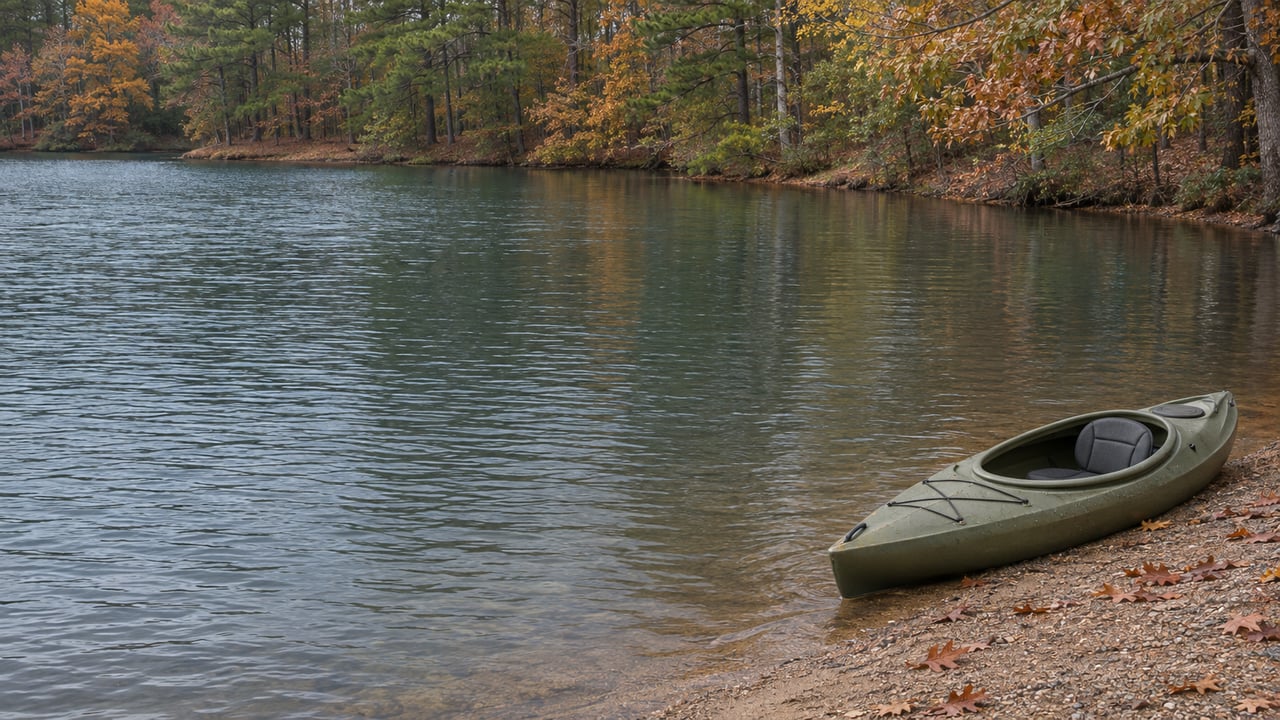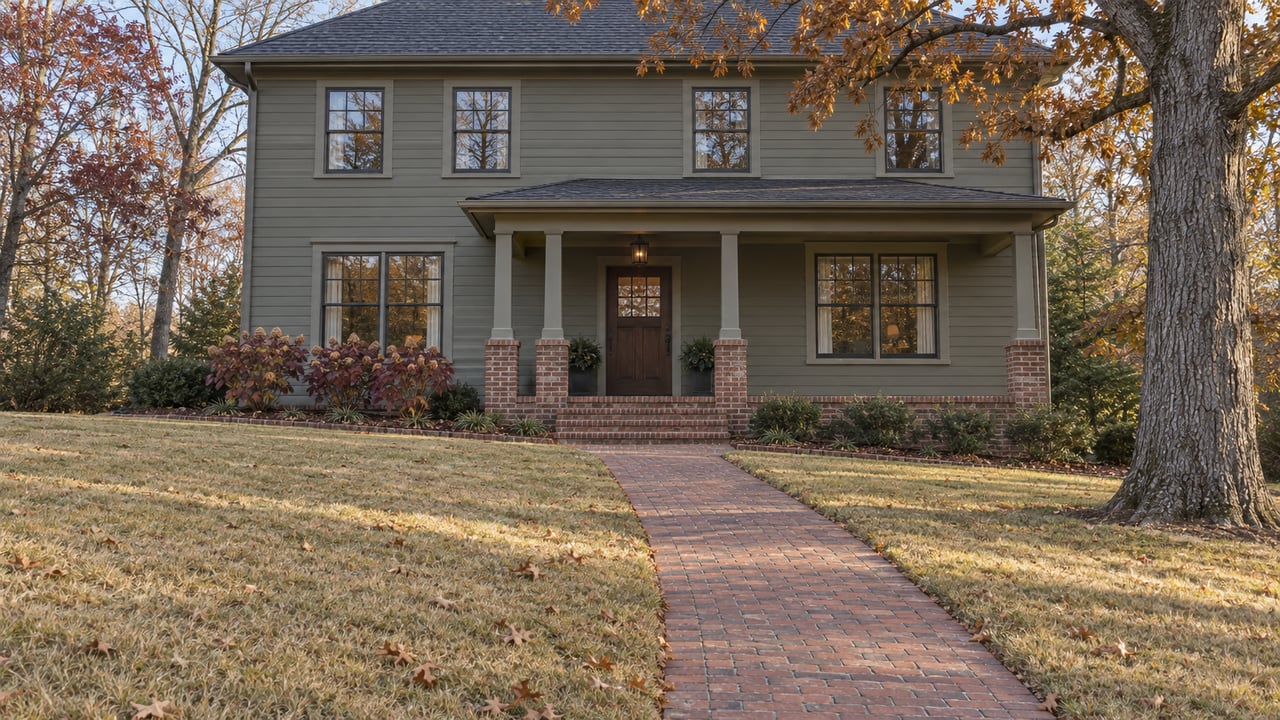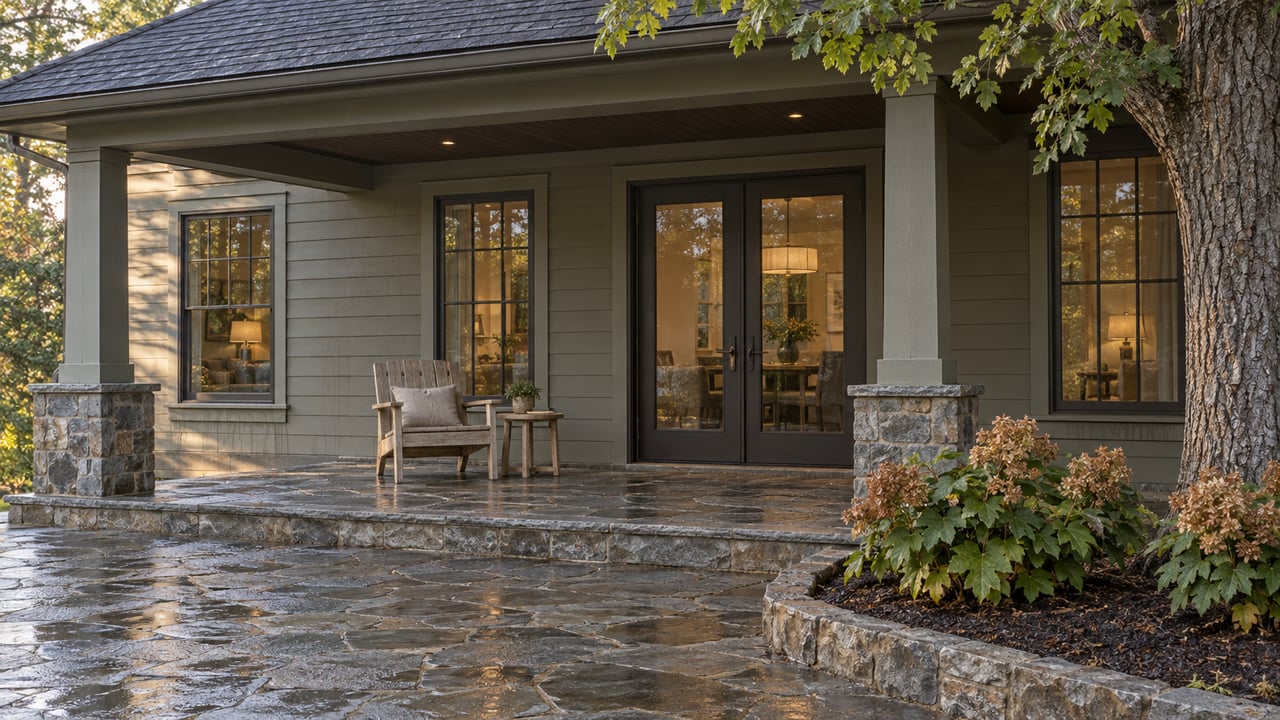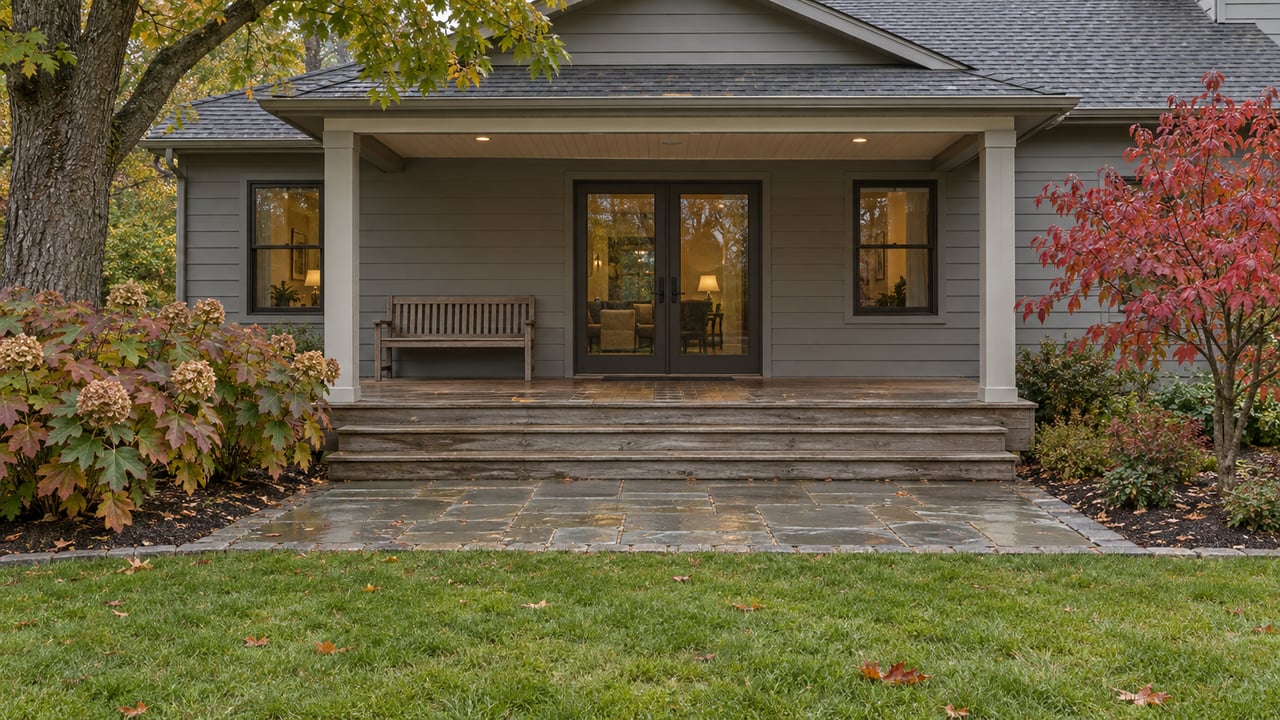
A septic inspection on a Lake Hartwell shoreline home can come back clean and still be hiding the real story. The report says the tank holds, the baffle is intact, the field drains. What it does not say, because no inspection form is built to say it, is how much shorter that system's working life is simply because of where it sits.
That gap matters more on the water than almost anywhere else in Anderson County, and most buyers never find out until they own the problem.
Why a Buyer-Requested Inspection Matters
Here is the part that catches people off guard first. According to Septic Clarity, South Carolina does not mandate septic inspections at the time of sale statewide. A handful of coastal counties, Charleston, Beaufort, and Georgetown among them, require a transfer inspection before a septic property can change hands. Anderson County is not one of them.
That means the "passing septic report" a buyer leans on during due diligence exists only because someone asked for it. It is a negotiated item, not a legal checkpoint. Skip the request, and there may be no independent look at the system at all before the keys change hands.
For a shoreline purchase, that single fact changes how the whole due diligence period should be handled. The inspection isn't a formality to check off. It's the only look a buyer gets before the system becomes their responsibility.
Two Regulators, One Narrow Strip of Shoreline
Once a buyer does order that inspection, the next surprise usually involves geography rather than plumbing.
Lake Hartwell properties answer to two separate authorities on the same few feet of shoreline. The state's environmental agency, now SCDES after it took over septic permitting from DHEC in July 2024, requires wastewater systems to sit back from the ordinary high water mark, generally described as a 50-foot setback for on-site systems near the reservoir. Separately, the U.S. Army Corps of Engineers controls the shoreline up to elevation 660 feet above mean sea level under its own flowage easement, a federal interest that exists independent of anything the state requires.
The practical result, according to Upstate Drainfield Repair, is a build-exclusion zone that runs anywhere from roughly 25 to 75 feet back from full pool depending on the specific lot's shoreline classification and how the two jurisdictions overlap. A lot can carry gorgeous frontage and still leave almost no usable ground for a conventional gravity-fed field once both setbacks are drawn on the survey.
That is why a septic site evaluation on a shoreline lot is not optional homework. It is the document that tells a buyer whether the house they're touring can support the system it already has, or whether a future repair means engineering a mound system instead of a standard field.
A septic system that passes inspection on a lake lot is answering a different question than the same passing grade inland. Inland, it's asking "does this work today." On the shoreline, it's asking "how much runway is left."
Why the Same Passing Grade Doesn't Mean the Same Thing
This is the piece that actually separates a shoreline purchase from every other home sale in Anderson.
Conventional drainfields fail gradually as soil clogs over decades of use. That is the inland pattern, and it is why systems away from the water tend to run 20 to 25 years before they need real work. Shoreline lots near Lake Hartwell run a different clock. Seasonally high water tables near the reservoir saturate the drainfield from below rather than clogging it from above, and that saturation shortens the realistic lifespan of a conventional system to somewhere between 12 and 18 years, according to contractors who specialize in the shoreline.
That means a 12-year-old system on a lake lot is not equivalent to a 12-year-old system three miles inland. The lake system may already be in its final third of usable life. The inland one might have another decade to go. Both could return the exact same passing result on an inspection report, because a pass only measures function on the day someone looked, not how much runway is left underneath it.
For a buyer comparing a waterfront listing against an inland one at a similar price, that difference belongs in the math. It is not a reason to walk away from lakefront property. It is a reason to ask the age of the system, not just its current condition, before treating a passing report as the end of the conversation.
Different Neighborhoods, Different Failure Clocks
The shoreline water table isn't the only thing driving septic failures in Anderson, and knowing which mechanism applies to which part of the county is its own kind of local knowledge.
Local drainfield contractors report that Hanna, Westside, and North Anderson see most of their septic failures from straightforward age. These are neighborhoods built out between the 1960s and 1980s, many still running original systems that are now 40 to 60 years old and simply past their design life. Homeland Park and the Lake Hartwell shoreline see a different failure pattern entirely, one driven by seasonally high water tables saturating fields regardless of how old the system is.
The distinction matters for anyone comparing an inland Anderson home to a lake home. Inland, the age of the system is close to the whole story. On the shoreline, a young system can still be running against a shorter clock than a comparably aged inland one, because the water table is doing damage the calendar wouldn't predict.
What Replacement Actually Costs
When a shoreline system does reach the end of its runway, the repair options fall into a fairly predictable range. Targeted repairs for a trench failure or a bad distribution box typically run $3,000 to $7,500. A full drainfield replacement, which requires a new soil evaluation and full SCDES permitting, runs $7,500 to $15,000. For fields that are struggling but not biologically dead, rejuvenation through high-pressure jetting and aeration runs $1,500 to $5,000 and can buy meaningful additional years on a system under 15 years old.
| Service | Typical Cost | What It Addresses |
|---|---|---|
| Drainfield rejuvenation | $1,500 – $5,000 | Partial saturation or slowdown in fields under 15 years old |
| Targeted drainfield repair | $3,000 – $7,500 | Trench failures, distribution box problems, localized issues |
| Full leach field replacement | $7,500 – $15,000 | End-of-life systems, often requiring an engineered mound design on shoreline lots |
Permitting timelines matter here too. Repair permits through Anderson County's SCDES office typically clear in 5 to 10 business days. New installations that require a full soil evaluation take 2 to 3 weeks. Neither timeline is long by itself, but both need to be built into a closing calendar if a system's condition becomes a negotiating point during due diligence.
What to Put in Writing Before You Remove Contingencies
Because South Carolina doesn't require a transfer inspection, the burden of getting real information falls on the buyer's due diligence period. Before removing contingencies on a Lake Hartwell property, it's worth asking for:
- The septic permit file, including the original install date and any prior repair permits on record with the county
- The date of the last pump-out and the name of the company that performed it
- Confirmation of the drainfield's distance from the shoreline setback line, ideally shown on the survey
- Whether the current system is a conventional gravity field or an engineered alternative, since shoreline lots inside the setback zone sometimes require the latter
- A written addendum, not a verbal understanding, if repairs come up during negotiation, naming who pays for what and by when
Attending the inspection in person is worth the morning. Watching an inspector open the tank and walk the field teaches a buyer more about a property's real condition than any written summary can.
What This Means at the Closing Table
None of this is a reason to avoid buying on Lake Hartwell. It's a reason to treat the septic report as the start of a question rather than the end of one. A pass tells a buyer the system works today. It doesn't tell them whether today is year three of a 20-year system or year fifteen of a 15-year one, and on this shoreline, that difference is exactly where the real cost lives.
A Few Questions Worth Asking Directly
Does Anderson County require a septic inspection before I can sell my home? No. South Carolina does not mandate transfer inspections statewide, and Anderson County is not among the counties, like Charleston, Beaufort, and Georgetown, that have added their own local requirement. In Anderson County, any inspection happens because a buyer or seller requests one.
Who typically pays if the inspection turns up a problem? Sellers commonly absorb the cost of bringing a failing system up to code. Buyers requesting cosmetic upgrades, like adding risers for easier future access, usually cover those themselves. Anything in between is negotiated and should be documented in a written addendum rather than left as a verbal agreement.
How long does it take to get a replacement system permitted if one is needed? Repair permits through the county's SCDES office generally clear in 5 to 10 business days. A new installation requiring a full soil evaluation takes closer to 2 to 3 weeks, which is worth factoring into any closing timeline tied to septic repairs.
If you're weighing a Lake Hartwell property and want a second set of eyes on what a listing's septic history actually tells you, Nora & Co. Luxury and Lake works this shoreline closely enough to know which questions belong in an offer before it's written, not after.
This article is general information, not legal, tax or financial advice. Consult a qualified professional about your situation.