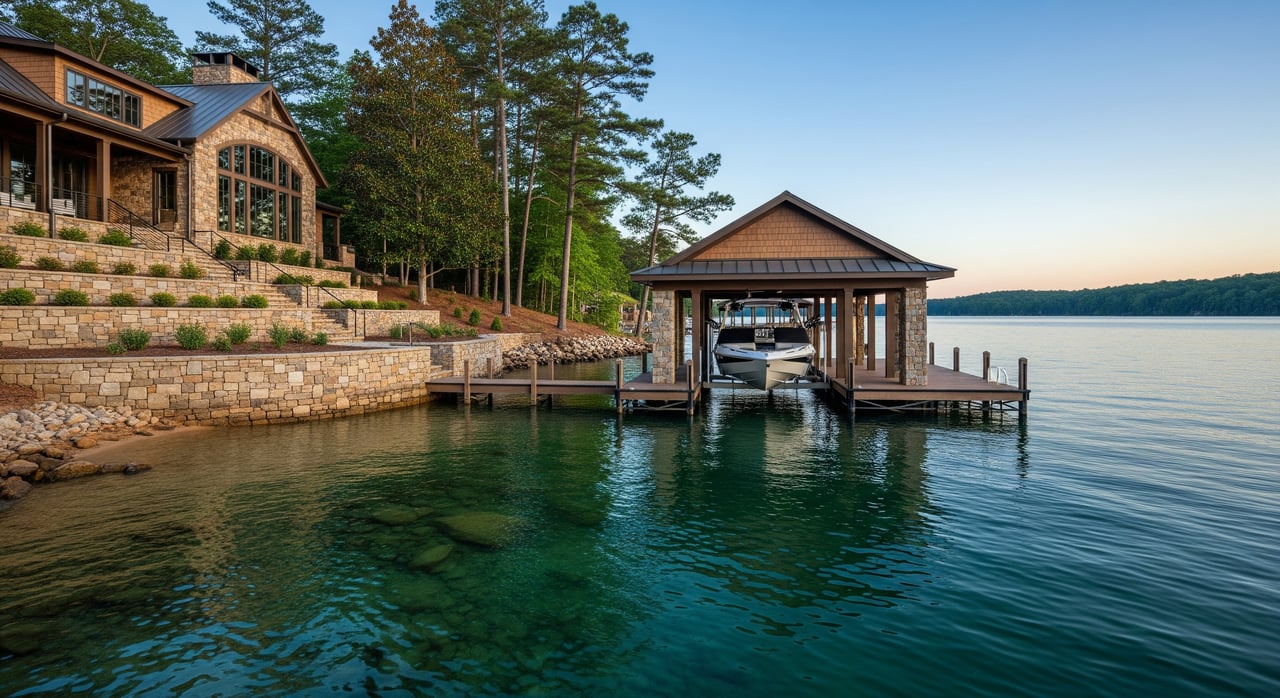
If you are shopping or selling on Lake Hartwell, one detail can change everything: water depth. It shapes how you use the lake today, how your dock performs when the water drops, and how buyers view your home’s long-term value. It is easy to focus on views and finishes, but depth and location on the lake often drive price and resale. In this guide, you will learn how depth, main channel versus cove positioning, and seasonal drawdowns affect daily life and market value on the Anderson shoreline, plus practical ways to verify depth before you buy or list. Let’s dive in.
Why water depth matters
Water depth is more than a number. It influences how you boat, where you swim, and what you can build at the shoreline. On Lake Hartwell, depth can vary lot by lot, even within the same neighborhood.
Boating and navigation
Depth determines which boats you can safely keep at your dock. Shallow areas limit access for heavier or deeper-draft boats and can make low-water seasons stressful. If you need to reach deeper water, your dock may have to extend farther from shore, which can affect cost and permitting.
Dock type and placement
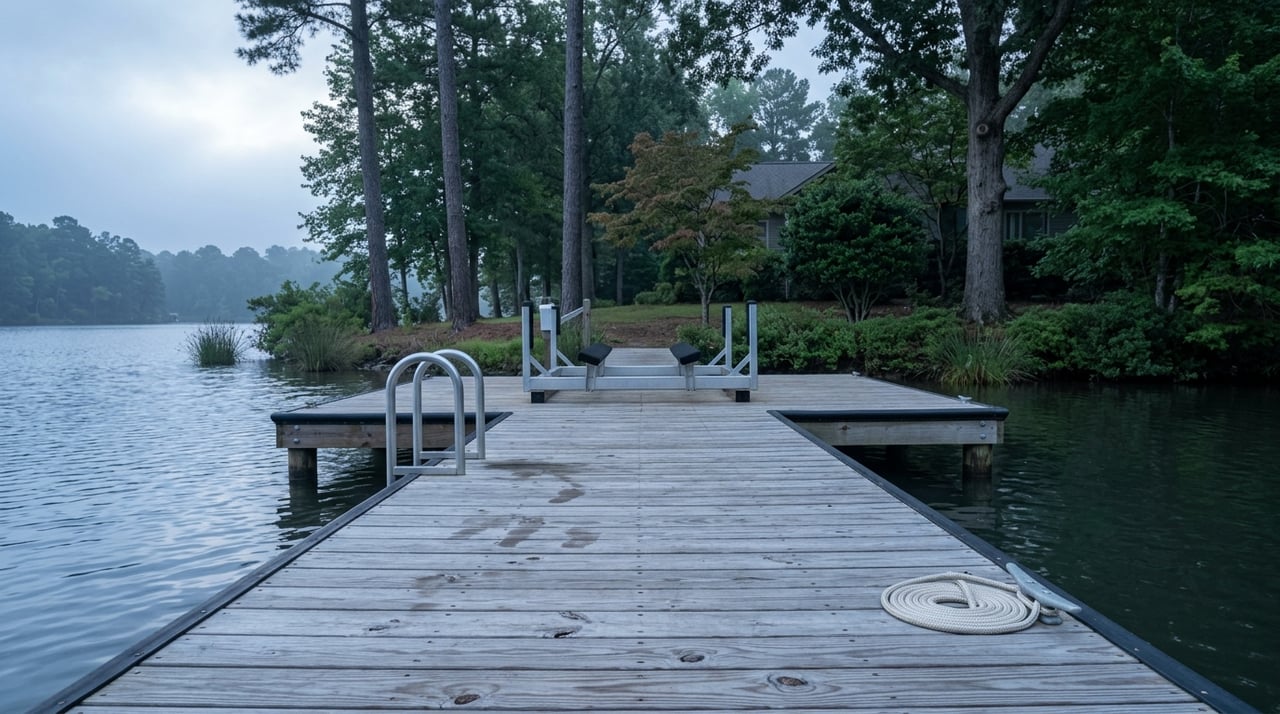
Shallow or fluctuating shorelines often favor floating docks or adjustable systems that can adapt when the lake level changes. Deeper, more consistent water near the lot can support shorter piers and different dock designs. Choosing the right system helps protect your investment and maintain safe access.
Swimming and recreation
Gentle, shallow shelves can feel friendly for wading and paddling, though they may be muddier or more vegetated at times. Deeper drop-offs near shore can make swimming from the dock easier. Your preferred lake lifestyle should guide which setting you choose.
Maintenance and shoreline care
Shallow coves can collect sediment and vegetation faster, which may require periodic clearing or, in some cases, permitted dredging. More exposed main-channel sites may face stronger wakes that increase dock wear and can require erosion control along the shoreline.
Main channel vs cove: the trade-offs
Where your lot sits on Hartwell matters as much as how deep the water is. Main channel and coves offer different experiences and value drivers.
Main channel advantages
- Typically deeper water is closer to shore, so docks can be shorter.
- Faster access to open water and navigational routes.
- Often higher demand among powerboat-focused buyers.
Main channel considerations
- More boat traffic brings more wake, noise, and potential shoreline wear.
- Less privacy compared with tucked-away coves.
Cove advantages
- Calmer water that feels better for swimming, kayaking, and relaxed time on the dock.
- More privacy and protection for moored boats.
Cove considerations
- Many coves are shallower, so you may need a longer dock to reach usable depth.
- Some coves have limited turning room for larger boats and can collect vegetation or silt.
Seasonal drawdowns on Lake Hartwell
Lake Hartwell is managed for recreation, hydropower, and flood control. That means seasonal and operational drawdowns can lower the water level. When the lake drops, floating docks can settle on mud, fixed docks may need adjustments, and nearshore areas can look different than listing photos taken at higher pool.
What this means for you:
- Plan your dock choice around both typical and occasional low-water conditions.
- Expect shoreline aesthetics to change during low pool, with more visible banks and, at times, exposed vegetation.
- Review recent pool-elevation history and notices from the managing authorities so you understand how often and how far the water has dropped in recent years.
How to verify depth before you buy or list
Depth claims should be documented. A clear, step-by-step process protects you during negotiations and helps appraisers and buyers understand value.
Start with desktop research
- Check publicly available bathymetric maps and lake elevation information for general contours.
- Review parcel details through county GIS to confirm boundaries, recorded dock locations, easements, and setbacks.
- Use navigation apps for a preliminary sense of depth, but do not rely on them for final decisions.
Confirm on site
- Bring a handheld sonar or fishfinder to take point readings along the path where a dock would extend. Note the date and lake level at the time of each reading.
- Ask the seller for recent depth logs, photos, or device screenshots that show readings at known lake levels.
When depth is mission-critical
If you own a larger or deeper-draft boat, take one more step:
- Commission a professional hydrographic survey to map depth contours near your shoreline.
- Pair it with a licensed land survey for accurate property lines and a dock stakeout that aligns with permits and setbacks.
Record what matters
- Depth readings along the intended dock centerline, with the date and lake elevation noted.
- Any prior dredging or dock maintenance records, plus current dock permits.
- Clear photos or diagrams that normalize depth to the lake elevation on the day of measurement so everyone evaluates the same facts.
Permits, rules, and insurance basics
Lake Hartwell is a US Army Corps of Engineers lake, and structures below the managed pool generally require approval. Before you build or modify a dock, verify current policies for private docks and shoreline work. Anderson County may also require permits, and your HOA or community rules can set limits on dock types, size, and shared arrangements.
For some lots, environmental regulations influence what you can do along the shore, including dredging or vegetation management. Insurance may vary based on wave exposure and dock type. Flood zones can differ by parcel, so it is wise to check the official maps for your specific property.
How depth and orientation influence value
Within the waterfront category, depth and lot position can shift price and time on market. Here is how buyers in the Anderson area often think about it:
- Boat-focused buyers tend to pay a premium for short dock runs to deep water and quick access to the main channel.
- Privacy-first buyers favor sheltered coves with calm water, even if shallower.
- Low-maintenance buyers value stable contours and docks that need fewer adjustments during seasonal changes.
For sellers, clear documentation increases confidence and can improve your negotiating position. Appraisers look for comparable sales with similar water characteristics. When they are scarce, documented soundings, permits, and surveys help explain value and reduce uncertainty.
Seller playbook: make depth a feature
Treat depth and dock details like you would kitchen finishes. Make them visible and verified.
- Provide recent depth soundings with the date and lake elevation clearly labeled.
- Include dock permits, allowed maximum dock length, and any maintenance history.
- Describe whether your lot sits on a main channel, cove, or point, and explain the practical benefits.
- Note typical seasonal patterns and provide references to official notices so buyers know what to expect.
Buyer checklist: evaluate with confidence
- Review recent lake-elevation history to understand normal and low-pool conditions.
- Ask the seller for depth logs or a recent hydrographic survey. Confirm the date and lake level.
- Verify parcel lines, riparian rights, setbacks, and any HOA rules tied to dock type or length.
- If depth is essential for your boat, hire a hydrographic surveyor and a licensed land surveyor before you close.
Create a simple lot sketch to compare options
A quick diagram helps you visualize how your dock will perform across seasons and how far it must extend to reach usable water.
- Draw your shoreline and mark parcel lines, setbacks, and any existing dock.
- Add a few depth contour lines in the nearshore area based on readings or survey data.
- Sketch two or three dock alignments and note where each reaches your preferred depth.
- Add icons or notes for wave exposure if you are on the main channel, and mark a seasonal low-water line to see how your dock might sit when the lake drops.
This simple plan view gives you and your contractor a shared reference and can support permit conversations.
Final thoughts
On Lake Hartwell, water depth, lot position, and seasonal lake levels shape everything from your Saturday on the water to your long-term return. When you verify depth and document your dock’s capability, you protect your enjoyment and your equity. If you want a quiet cove for swimming, a main-channel perch for fast access, or a balanced point lot, the right data will help you choose with confidence.
If you are weighing options or preparing to sell, let’s talk about your goals and how to position your property’s lake access. Connect with nora hooper for concierge-level guidance on the Anderson shoreline and across Lake Hartwell.
FAQs
Lake Hartwell buyers: How does water depth impact value?
- Depth affects boat access, dock design, maintenance, and buyer demand, so verified deeper access or shorter dock runs often support stronger pricing and faster resale.
Boat owners on Hartwell: Will my boat stay docked year-round?
- It depends on your boat’s draft, dock design, and historical low-water levels, so confirm depth at recent low pools and consider a floating or adjustable system.
Dock permits on Lake Hartwell: Do I need approval to build or modify?
- Most shoreline structures require approval from the lake’s managing authority, plus county and possibly HOA rules, so confirm requirements before starting any work.
Main channel vs cove: Which usually sells for more?
- There is no universal rule; main-channel access appeals to some buyers and coves to others, so local comparables and verified depth should guide pricing.
Shallow coves on Hartwell: Can I dredge to gain depth?
- Sometimes, but dredging is regulated, may require multiple permits, and can be costly, so verify feasibility and approvals before planning on it.